Nigeria and the World Oil Outlook 2050: Implications and Strategic Choices
By Fortune Ulu
As Africa’s largest oil producer and most populous nation, Nigeria sits at the center of the World Oil Outlook 2050 narrative. OPEC projects global oil demand will rise to ~123 million barrels per day by 2050, with much of that increase coming from non-OECD economies, including Sub-Saharan Africa. For Nigeria, this presents both opportunities and risks tied to its role as a major hydrocarbon player.
1. Rising Domestic Energy Demand
• Population growth: Nigeria’s population is projected to exceed 400 million by 2050, making it the third most populous country globally. This surge will drive higher demand for transport fuels, cooking fuels, electricity, and petrochemicals.
• Urbanisation: Cities like Lagos, Abuja, and Port Harcourt will require massive energy supplies to support mobility, housing, industry, and services.
• Energy poverty gap: Despite being a leading producer, over 90 million Nigerians still lack reliable electricity. Meeting demand will require balancing oil with gas and renewables.
2. Oil Production and Export Outlook
• Resource potential: Nigeria holds Africa’s largest proven oil reserves (~37 billion barrels) and is positioned to benefit from sustained global oil demand through 2050.
• Export dependence: Oil still accounts for over 80% of Nigeria’s export earnings and more than 40% of government revenue. Sustained demand offers revenue potential, but dependence remains risky if demand peaks earlier than forecast.
• Declining competitiveness: Nigeria faces high production costs (aging infrastructure, insecurity in the Niger Delta, oil theft) compared to low-cost producers in the Middle East. Without reforms, Nigeria risks losing market share.
3. Refining and Domestic Supply Challenges
• Import dependence: Despite producing crude, Nigeria imports most of its refined petroleum products. Rising demand will widen this gap unless domestic refining capacity improves.
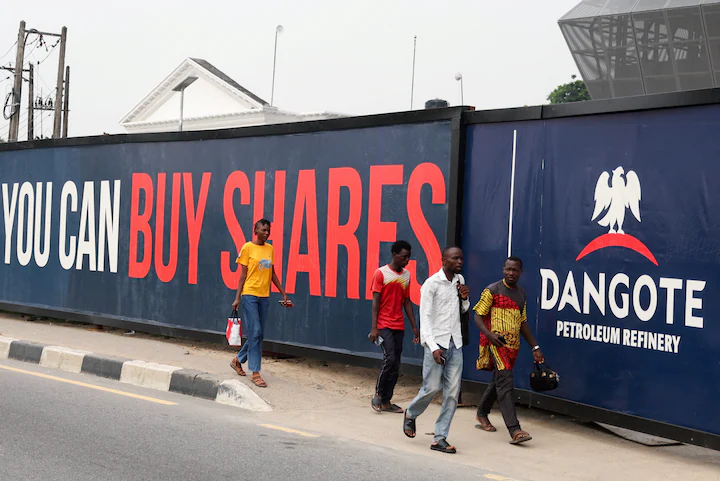
• Dangote Refinery: The new 650,000 bpd refinery has potential to transform Nigeria into a net exporter of refined products, reducing forex pressure and stabilizing fuel supply. Its success will be central to meeting future demand.
• Regional hub potential: If fully operational and efficient, Nigeria could become West Africa’s refining hub, supplying neighboring markets.
4. Fiscal and Investment Needs
• Revenue management: The WOO underscores the need for trillions in oil investment globally. Nigeria must attract significant upstream and downstream investment, but regulatory uncertainty and subsidy policies deter investors.
• Petrochemicals and gas-based industries: Nigeria has opportunities to diversify into fertilizers, plastics, and petrochemicals, creating more jobs and local value chains beyond crude exports.
• Debt risks: Heavy reliance on oil revenues makes Nigeria vulnerable to price volatility. Fiscal buffers like the Sovereign Wealth Fund must be strengthened.
5. Energy Transition and Climate Challenges
• Emission growth: Rising oil consumption could worsen urban air pollution and greenhouse gas emissions, especially in congested cities.
• Climate vulnerability: Nigeria is highly exposed to climate risks — flooding, desertification, and coastal erosion — meaning overreliance on fossil fuels could deepen vulnerabilities.
• Global decarbonisation pressures: If advanced economies reduce oil demand earlier than OPEC forecasts, Nigeria risks stranded assets and revenue collapse.
6. Opportunities and Strategic Pathways
To harness opportunities while preparing for risks, Nigeria can adopt a dual-track strategy:
1. Maximise short-term oil value
o Boost crude production efficiency and tackle oil theft.
o Leverage Dangote and modular refineries to achieve product self-sufficiency.
o Invest in petrochemicals to capture more value from hydrocarbons.
2. Prepare for long-term transition
o Diversify revenue away from oil (agriculture, manufacturing, digital economy).
o Expand gas-to-power projects to bridge electricity gaps.
o Invest in renewables (solar, hydro, wind) to supplement oil and gas.
o Strengthen climate resilience through sustainable urban planning.
3. Reform fiscal and regulatory frameworks
o Fully implement the Petroleum Industry Act (PIA) to attract investment.
o Phase out costly fuel subsidies, while cushioning citizens with targeted support.
o Build stronger sovereign wealth and stabilization funds for oil windfalls.
7. Conclusion
For Nigeria, the World Oil Outlook 2050 underscores both promise and peril. On one hand, global demand growth provides opportunities to sustain revenues, strengthen refining capacity, and industrialise. On the other, over dependence on oil leaves Nigeria exposed to market volatility and climate risks.
The path forward lies in using oil wealth as a bridge — investing revenues wisely, diversifying the economy, and accelerating energy transition. If Nigeria succeeds, it can transform oil from a source of vulnerability into a foundation for sustainable growth well beyond 2050.